The Open Science Institute
What we do
Open, from prototype to paper
Themes
One institute, three lines of work
Open Science for Society
Open infrastructure, open publishing, and open methods. Science as a public good.
1 project · 3 resources
Learn moreOpen Health
Digital health twins and open biomedical infrastructure for predictive, preventive, and precision medicine.
2 projects
Learn moreOpen Hardware
Open, reproducible scientific instruments: open microscopy and open lab automation, accessible anywhere.
1 project
Learn moreEtherlaken
A commons built for open science.
Interlaken, Switzerland, is the foundation’s inspiring home in the heart of the Swiss Alps. The Etherlaken campus provides a calm and focused setting for research, exchange, and residency, while remaining well connected to major European cities.
Facilities
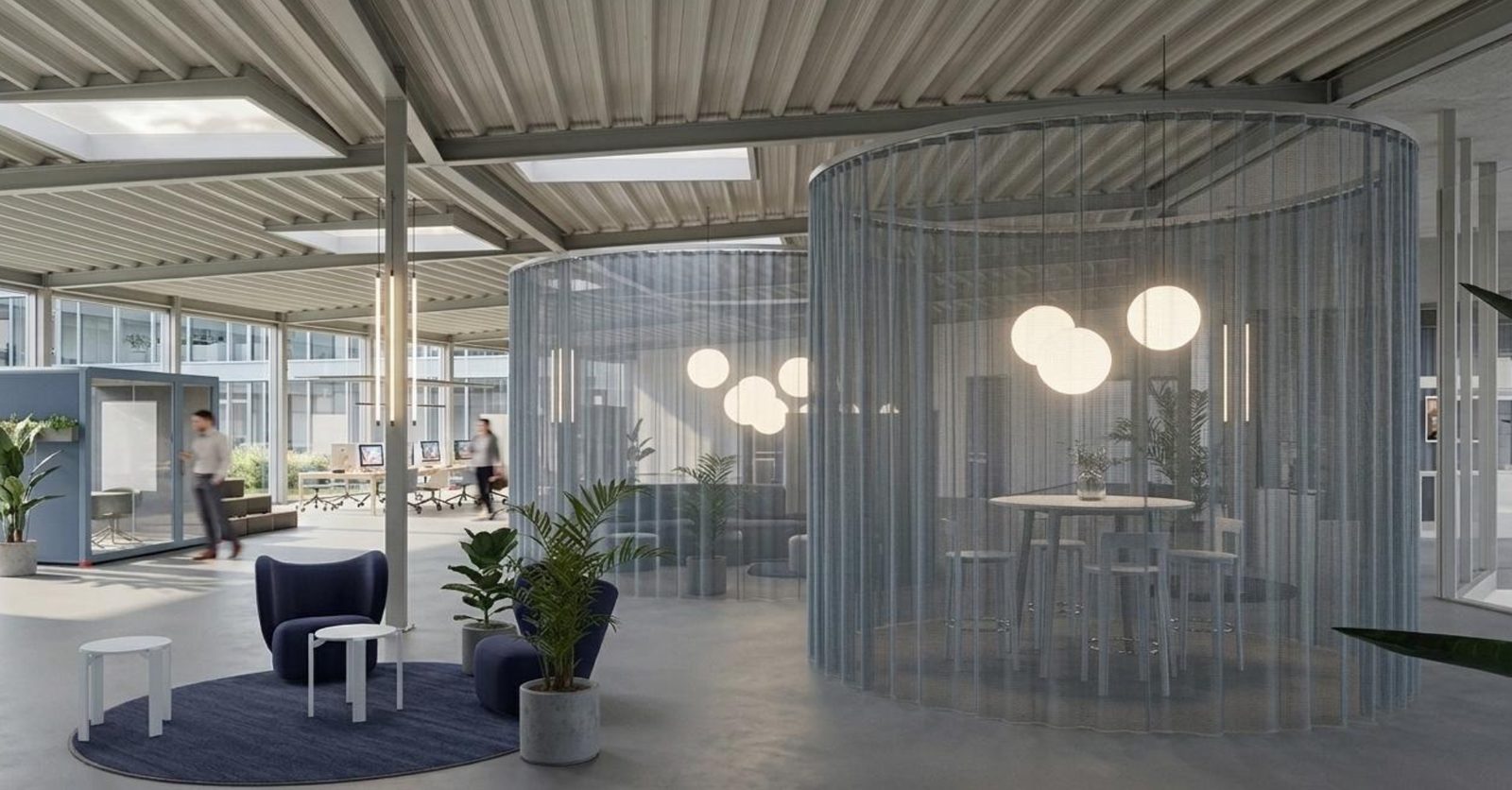
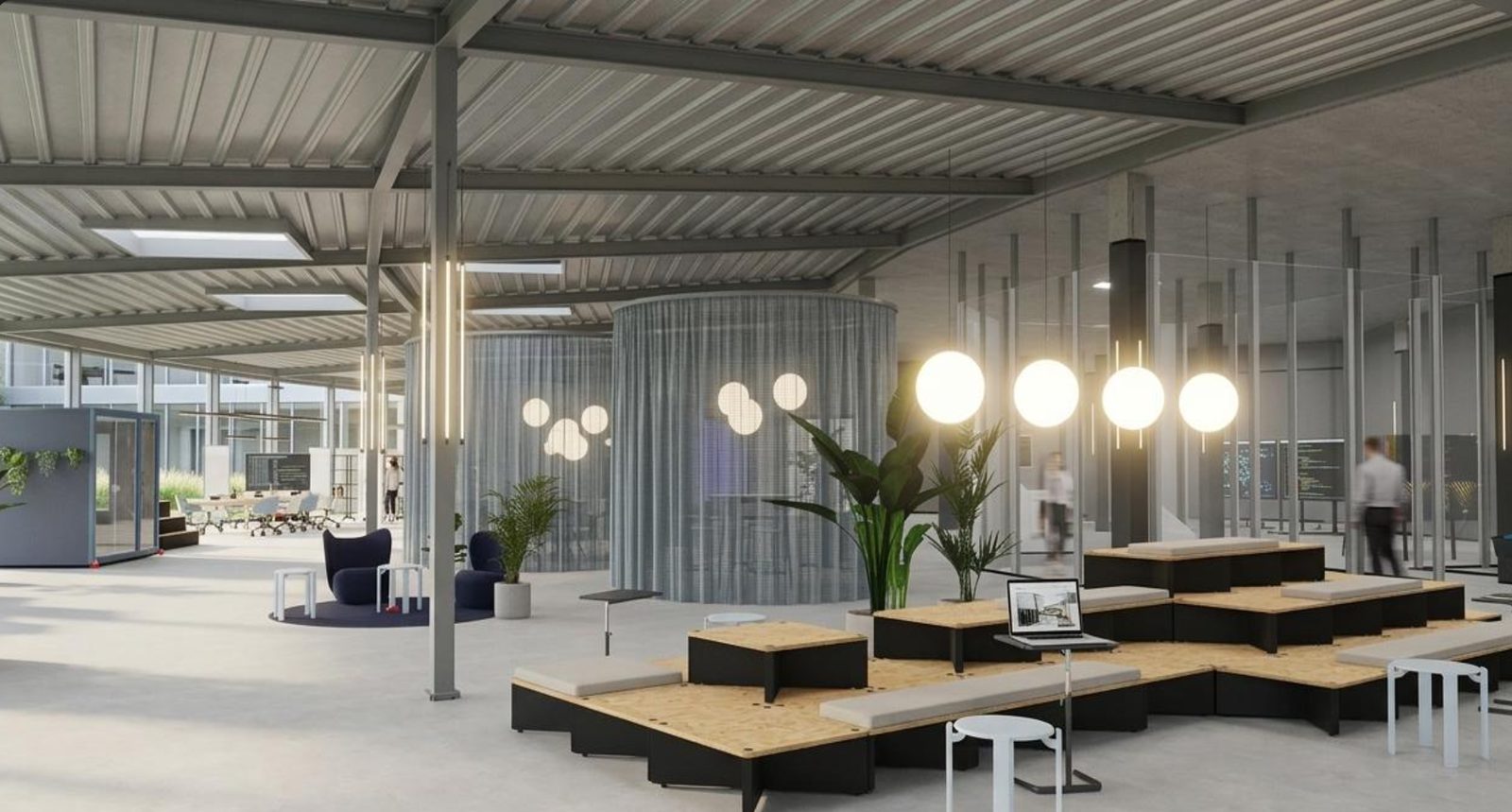
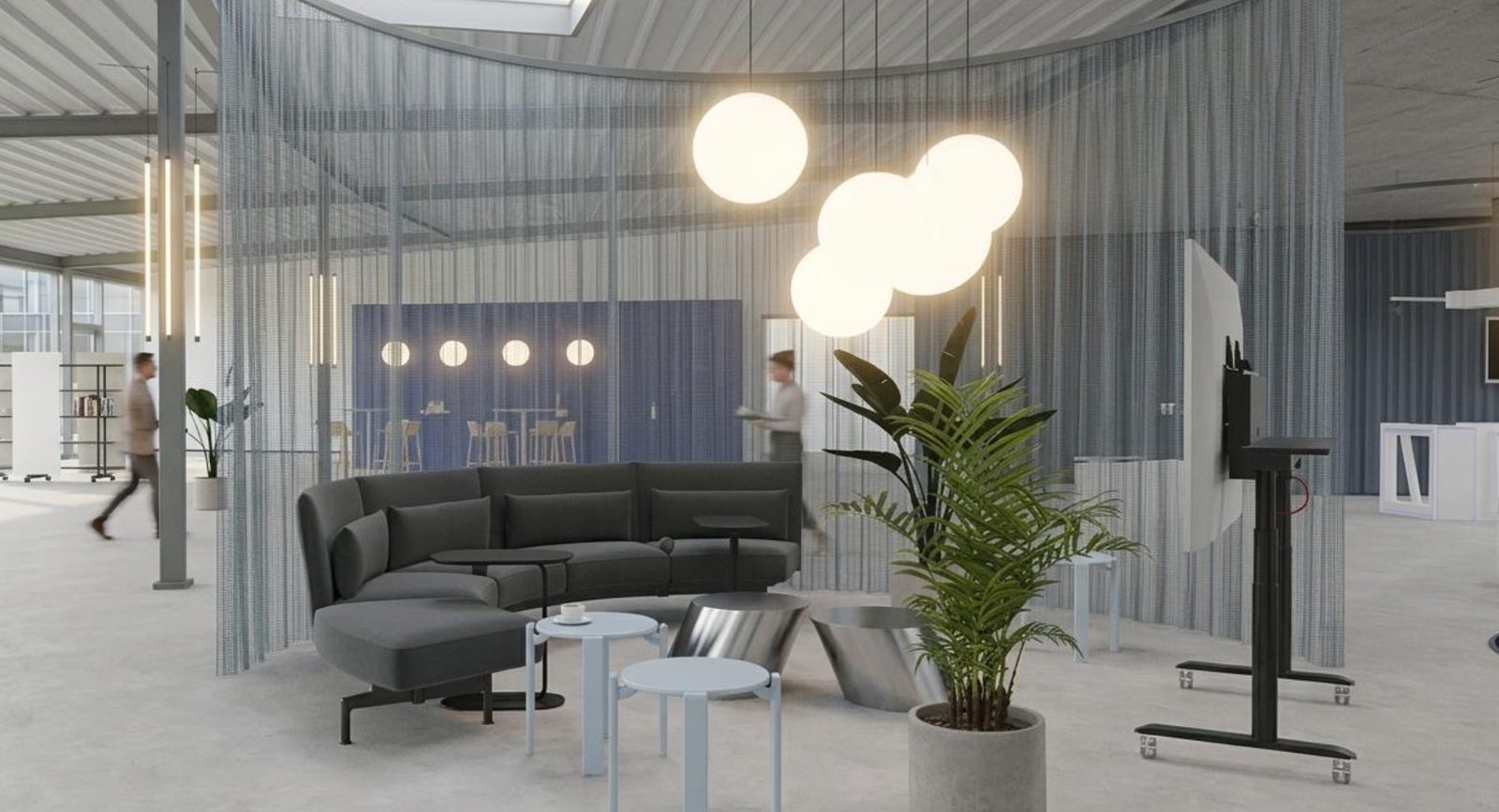
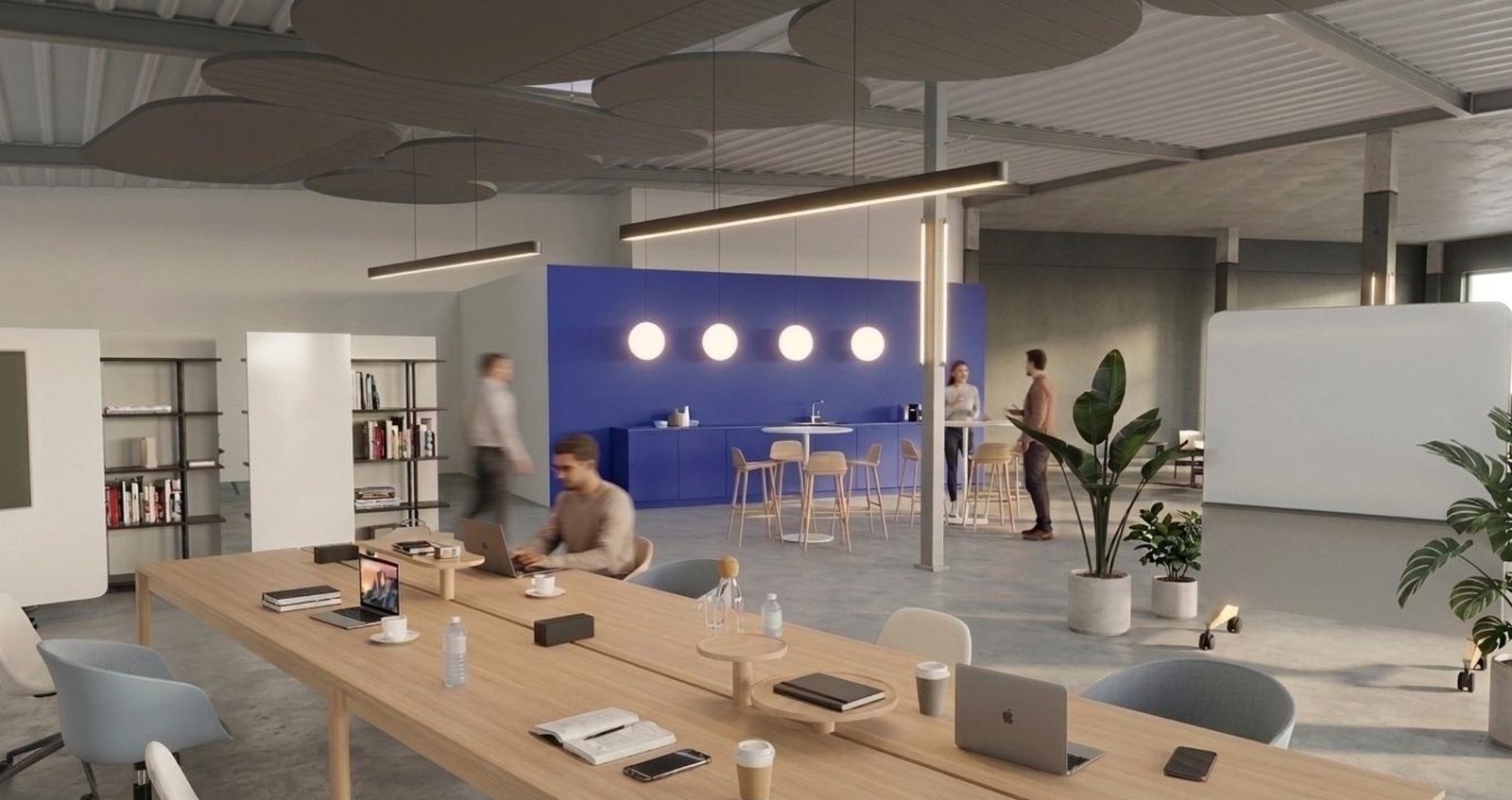
The Etherlaken campus brings together the Open Science Foundation’s offices, research facilities — including the Open Twin Hub, a Science Lounge, and a FabLab — alongside residences for fellows and a dedicated conference venue.
Creating a physical place to experience, explore, and understand one’s digital health twin.
Science Lounge
A space for exchange between fellows, visitors, and the wider open-science community.
FabLab
Open hardware and prototyping facilities for building scientific instruments in the open.
Fellow residences
On-campus residences so fellows can focus on their work during a stay.
Conference venue
A dedicated venue for workshops, meetings, and gatherings.
Residency
The campus is built around residency: fellows and collaborators come to Interlaken to work closely, in a focused setting, for the length of a project.
Visiting
Interlaken is well connected to major European cities by rail. To arrange a visit or discuss a residency, get in touch.
Get in touchMeet our fellows
Support for people working in the open
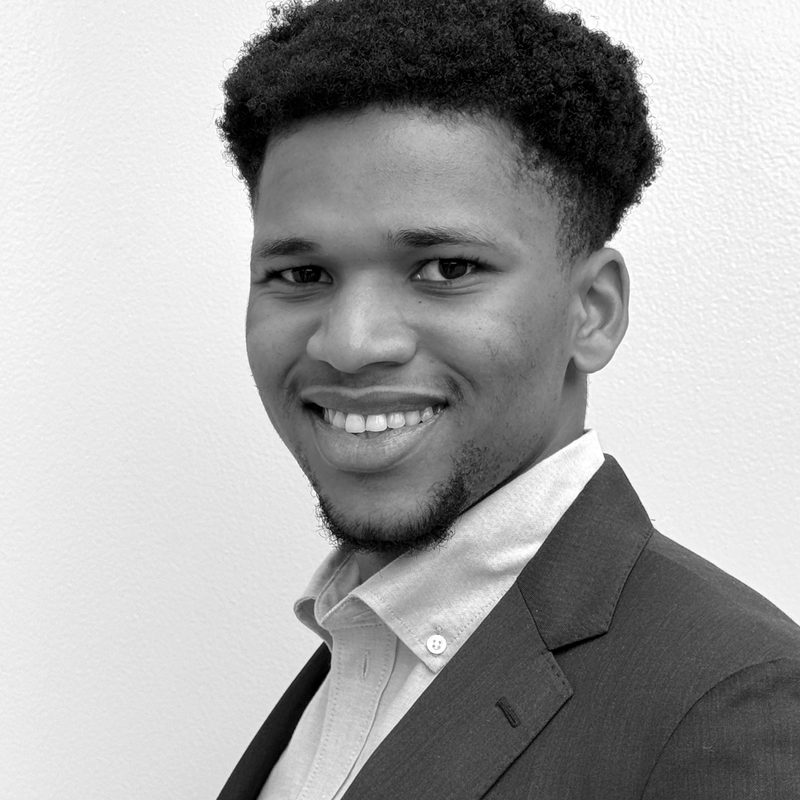
Peter Dike
Fellow
Software engineer and tech entrepreneur working on AI, digitalisation, and open science, with a focus on building impactful, sustainable solutions that push innovation forward. He is the first fellow of the Open Science Foundation, where he contributes to the OpenTwin initiative, and is moving into a PhD in medical image analysis at the University of Bern on clinical generative AI for cancer imaging.
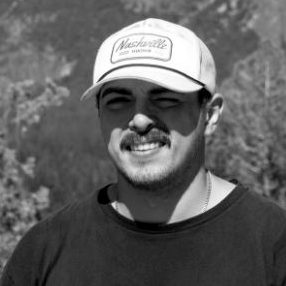
Michael Saldivar
Fellow
AI researcher working on scalable oversight: systems that decide when a model’s reasoning can be trusted. A mathematics graduate of MIT, he worked in quantitative research and analytics engineering before creating Theoria (opens in a new tab), an open-source verifier that makes a language model prove its answer in auditable steps or decline to answer. A follow-up study was accepted to the NeurIPS 2026 MATH-AI workshop. As a fellow, he is building an open-source workflow to screen research proposals.
Research
Featured research
All research →Biocenter: Distributed Remote Biology Platform
Biocenter is a partially remotely operated biological experiment platform, structured as the bio-equivalent of a mini datacenter. A web interface controller paired with local OpenDrop hardware for material handling makes distributed, automated wetlab experimentation possible at scale. It began as a collaboration between Gaudi Labs and Radical Design Studio. Researchers, automated agents, and living systems can run and take part in biology experiments remotely.
Biophoton / Ultra-Weak Photon Emission Field Map
An open, versioned map of the biophoton and ultra-weak photon emission (UPE) research field: 18,355 works and 39,312 authors, seeded from Michal Cifra's reference library, enriched via OpenAlex, clustered into sub-fields, and scored for openness.